No costume shorthand
Clothing or objects are not treated as proof of identity, authenticity, belief, or political position.
Everyday life · language · change
Language, family, education, work, faith, food, clothing, arts, media, migration, and public life do not stand still. The atlas treats people as contemporary participants, not as visual symbols of a region.
Research cutoff: 4 September 2026. Definitions and verification status travel with each claim.
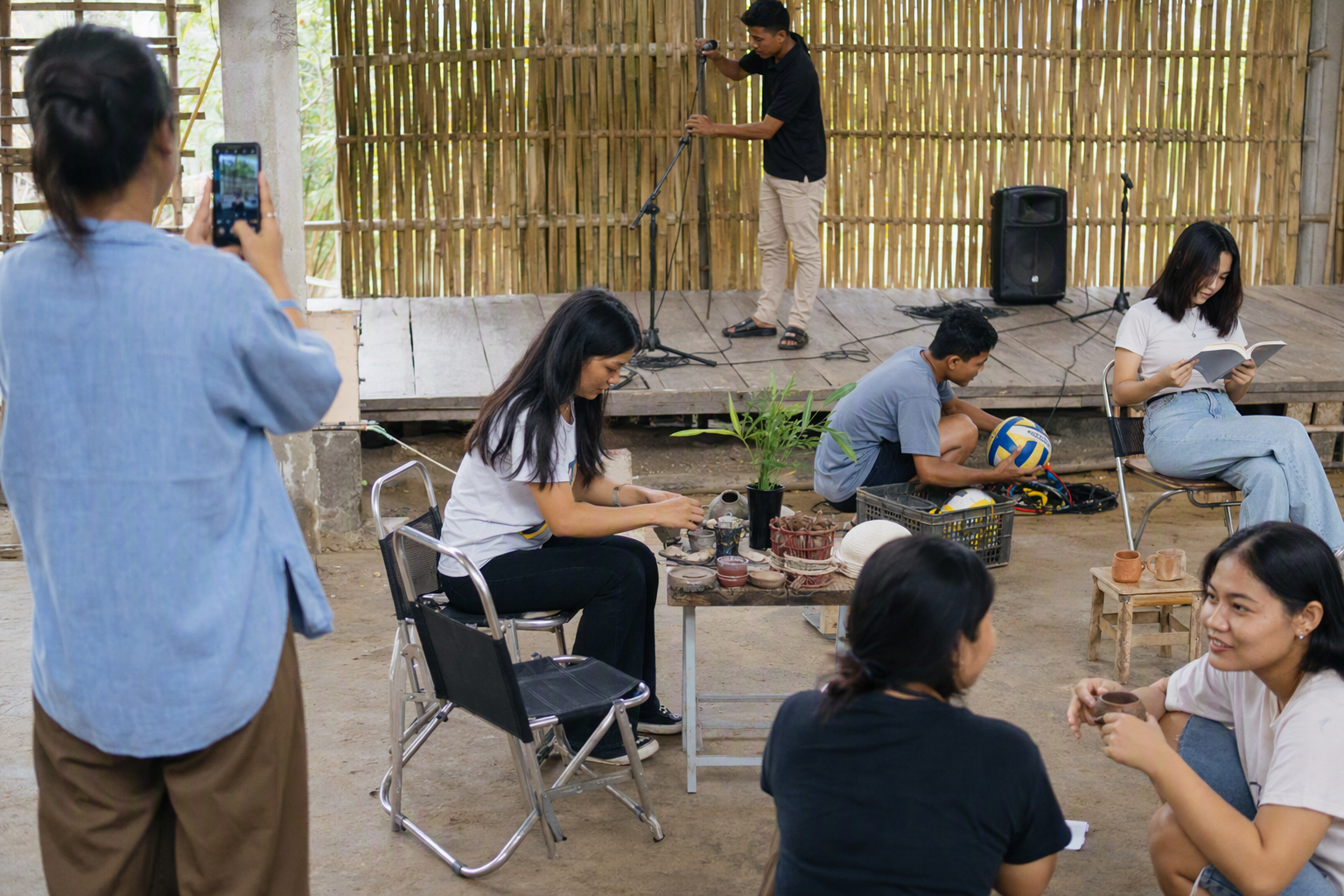 Editorial image · generated, not documentary evidence
Editorial commitments
Clothing or objects are not treated as proof of identity, authenticity, belief, or political position.
Language evidence needs locality, age cohort, domain of use, date, and community review where possible.
Urbanisation, education, digital media, migration, intermarriage, markets, and public policy shape cultural practice.
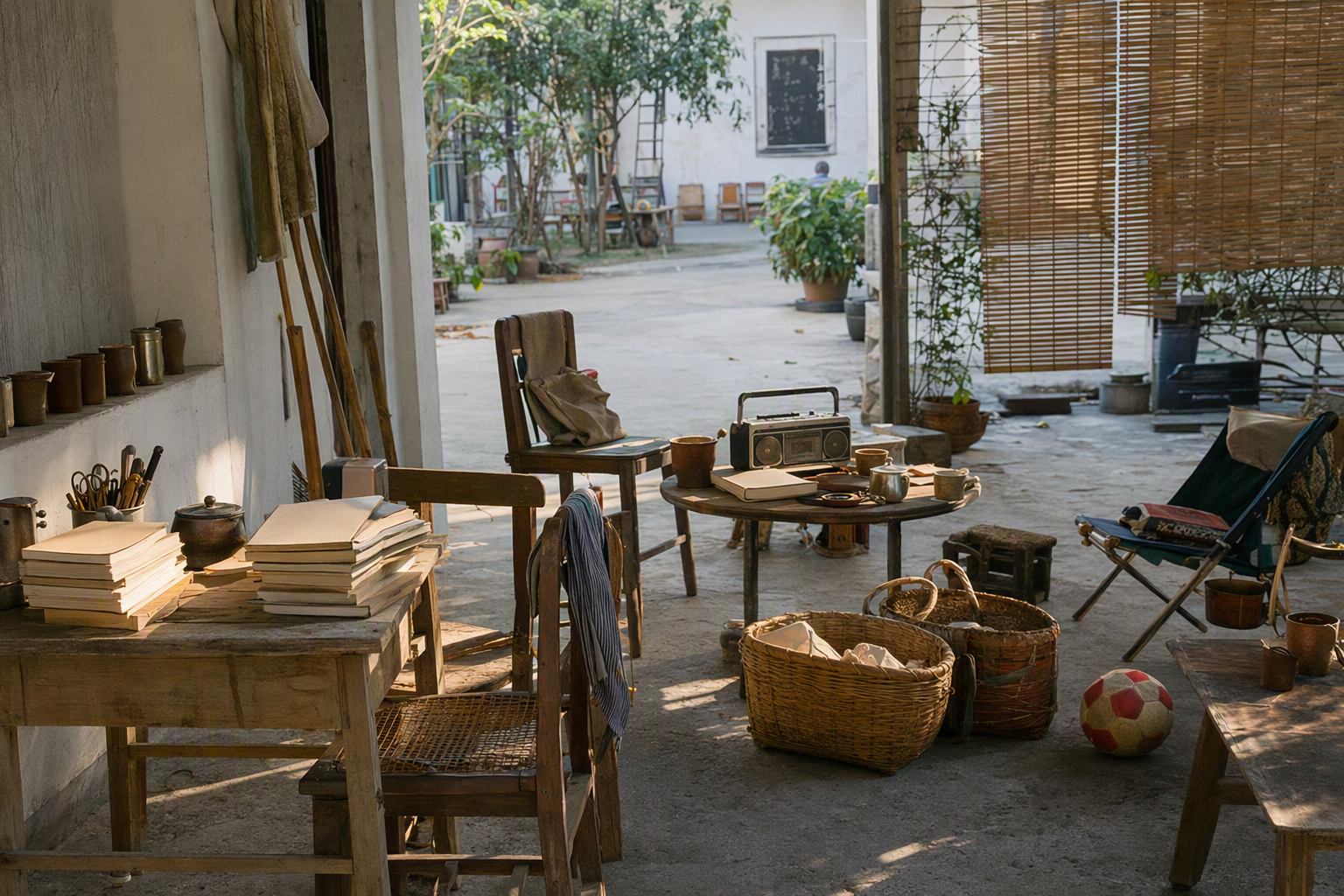 Editorial image · generated, not documentary evidence
Questions worth asking
A profile should make room for variation and disagreement.
Related pathways
Browse distinct profiles and the naming guide.
Explore education, health, livelihoods and access.
Separate India-facing mobility, Myanmar-facing refuge and conflict spillover, diaspora evidence and media verification.
Check terms, aliases, autonyms, dated labels and usage cautions.